

Passivation Chemicals and Application
Passivation chemicals are used to support the post-treatment protection of metal surfaces and, in appropriate applications, pre-paint preparation. Product selection must be based on the metal type, existing coating, operating environment, and the targeted duration of protection.
As MFI Makina Kimya, we offer solutions for chromate or chromium-free passivation, post-galvanizing applications, and leak test baths. Application-specific products aimed at preventing corrosion during short-term inter-operational storage are also evaluated.
The suitability of nitrited and nitrite-free options is not determined solely by protection expectations. Bath conditions, subsequent manufacturing stages, and current technical and safety information of the product are considered together. Working concentration and operating methodology must be determined based on the selected product and the existing line.
Applications and Areas of Use
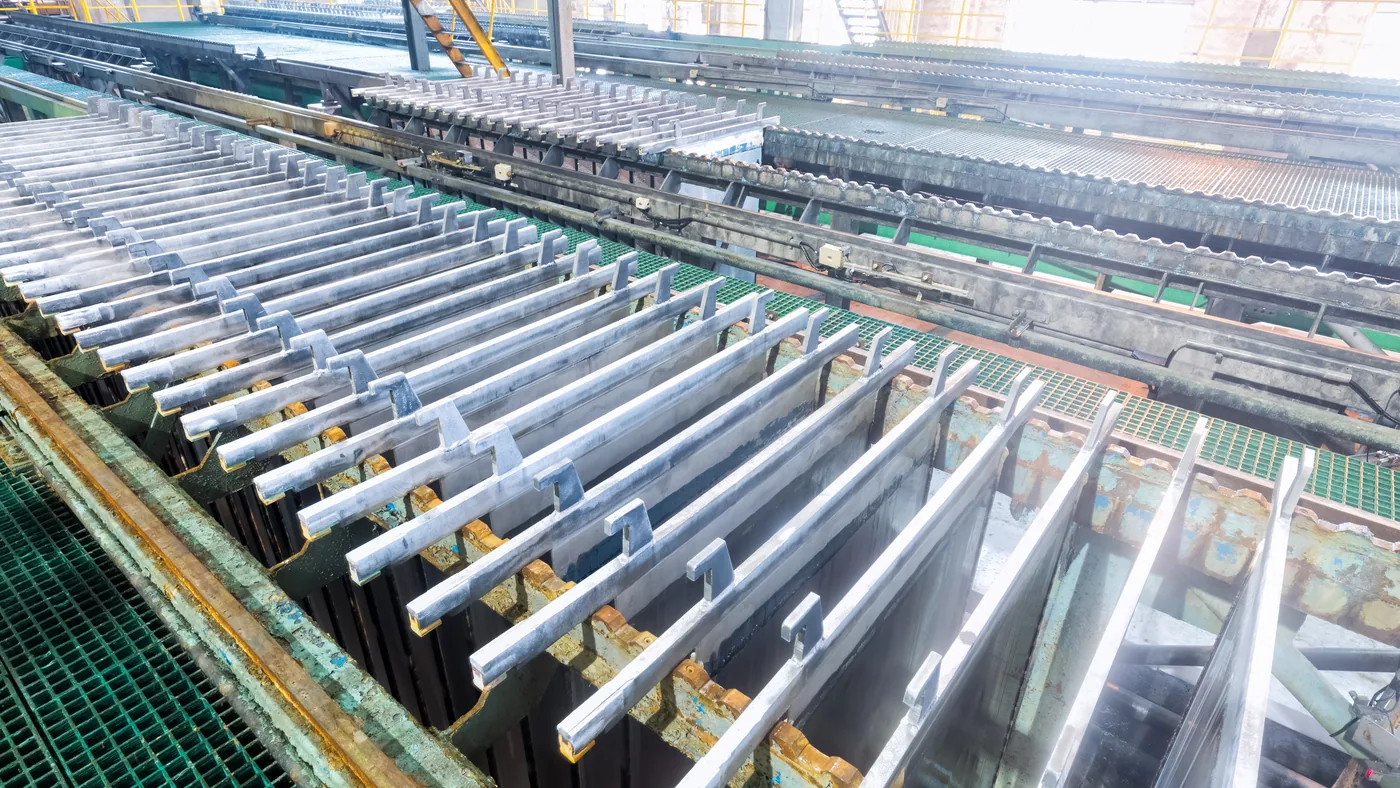
Passivation Options
The objective of passivation and the substrate to which it will be applied are decisive in selecting the correct chemical. We evaluate the existing coating, contact fluids, and subsequent processing requirements concurrently.
Chromate and Chromium-Free Passivation
Options used for pre-paint preparation and surface protection are evaluated in conjunction with the metal and the existing coating. Chemical composition and compatibility with subsequent operations are determined based on the product’s current documentation.
Post-Galvanizing Passivation
Applied to support the reduction of white rust formation on galvanized surfaces. If subsequent painting is required, the compatibility of the passivation with the paint system must be evaluated separately.
Leak Test Baths
In water-based leak tests, appropriate protective chemicals are introduced into the test bath to mitigate corrosion of the metal during and after the operation. Product selection is performed according to testing conditions.
Nitrited, Nitrite-Free, and Specialty Products
Nitrited and nitrite-free alternatives, as well as specialty products for short-term dwell times, are provided. Selection is made by evaluating protection duration, metal compatibility, and the product's technical and safety data collectively.
Our Application Process
We address every step collaboratively, from surface analysis to post-treatment inspection. The appropriate chemical and operating parameters are specified according to the component's intended application and your existing process.
Surface and Requirements Analysis
Metal type, existing coating, contact fluids, and targeted protection duration are evaluated.
Product and Method Selection
Chromate, chromium-free, nitrited, or nitrite-free options are assessed based on the application and downstream manufacturing steps.
Application and Bath Monitoring
The selected product is applied in accordance with technical specifications; concentration, contact time, and mandatory bath parameters are monitored.
Final Inspection and Protection
The surface condition is inspected; required drying, storage, and subsequent processing conditions are planned accordingly.
Frequently Asked Questions
Find answers below to frequently asked questions regarding passivation products, application areas, and process selection. For information specific to your components and line, contact our technical team.
How is a passivation product selected?
What is the purpose of post-galvanizing passivation?
How is passivation evaluated in leak testing?
How to choose between nitrited and nitrite-free products?
Request Technical Documentation
You can request current documentation for product specifications, application parameters, and safety data sheets. Providing the metal type, existing coating, and targeted protection requirements will facilitate the evaluation.
Why MFI Makina Kimya?

Let Us Evaluate Your Surface Protection Requirements
Share your metal type, existing coating, and operating conditions; let us evaluate the appropriate passivation option for your post-galvanizing processes, leak testing, or short-term inter-operational storage needs.